Showing a Complex Product on an Exhibition Stand | Oaken
Suzanne Malhotra • 6 October 2026
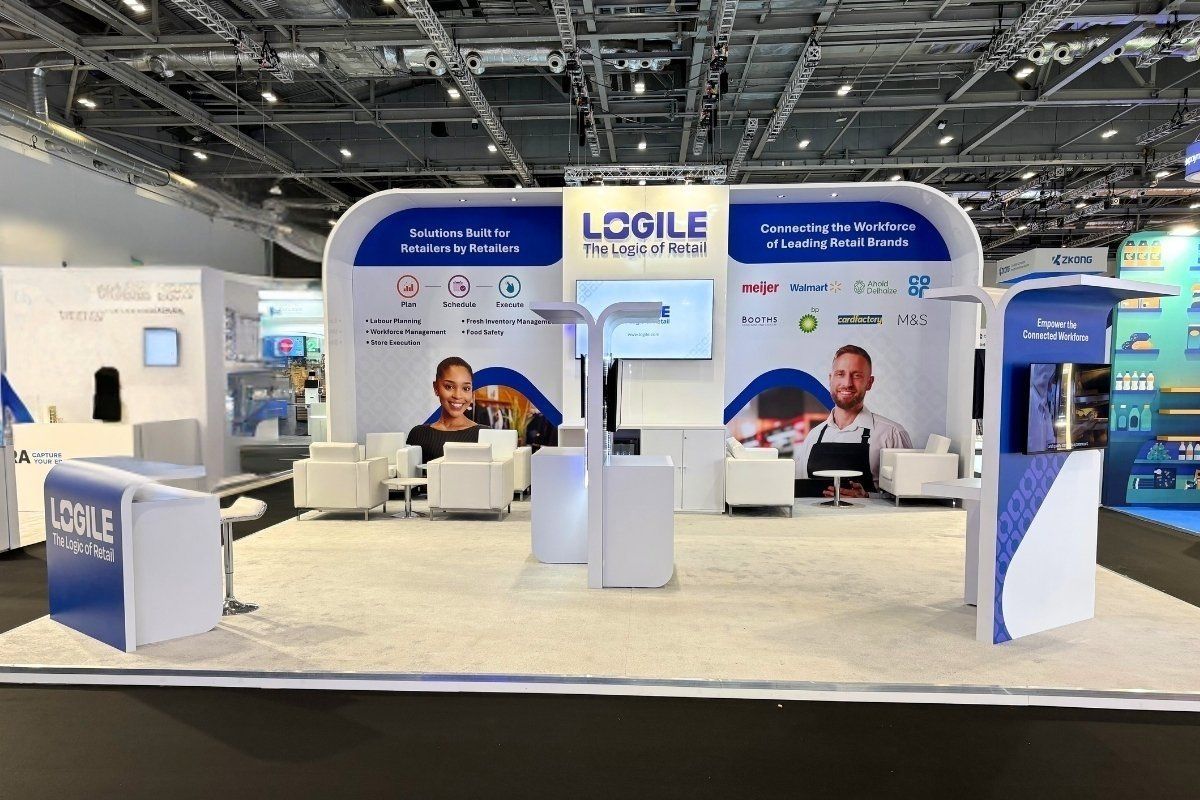
Start with the problem, build one hero demo and give the conversation somewhere to go.
If you sell software, a platform or a system that runs in the background, exhibitions pose an awkward question. What do you actually put on the stand? The usual answer is screens: a big one for the brand film and a row of smaller ones for demos. Walk any tech or fintech show and you'll see the result, dozens of stands that look like the same electronics shop.
Complex products can be shown well at exhibitions. It just takes a different starting point. We've designed stands for workforce technology, optical networking, data erasure, loyalty platforms and casino management systems, and the same principles keep coming up.
Start with the problem, not the product
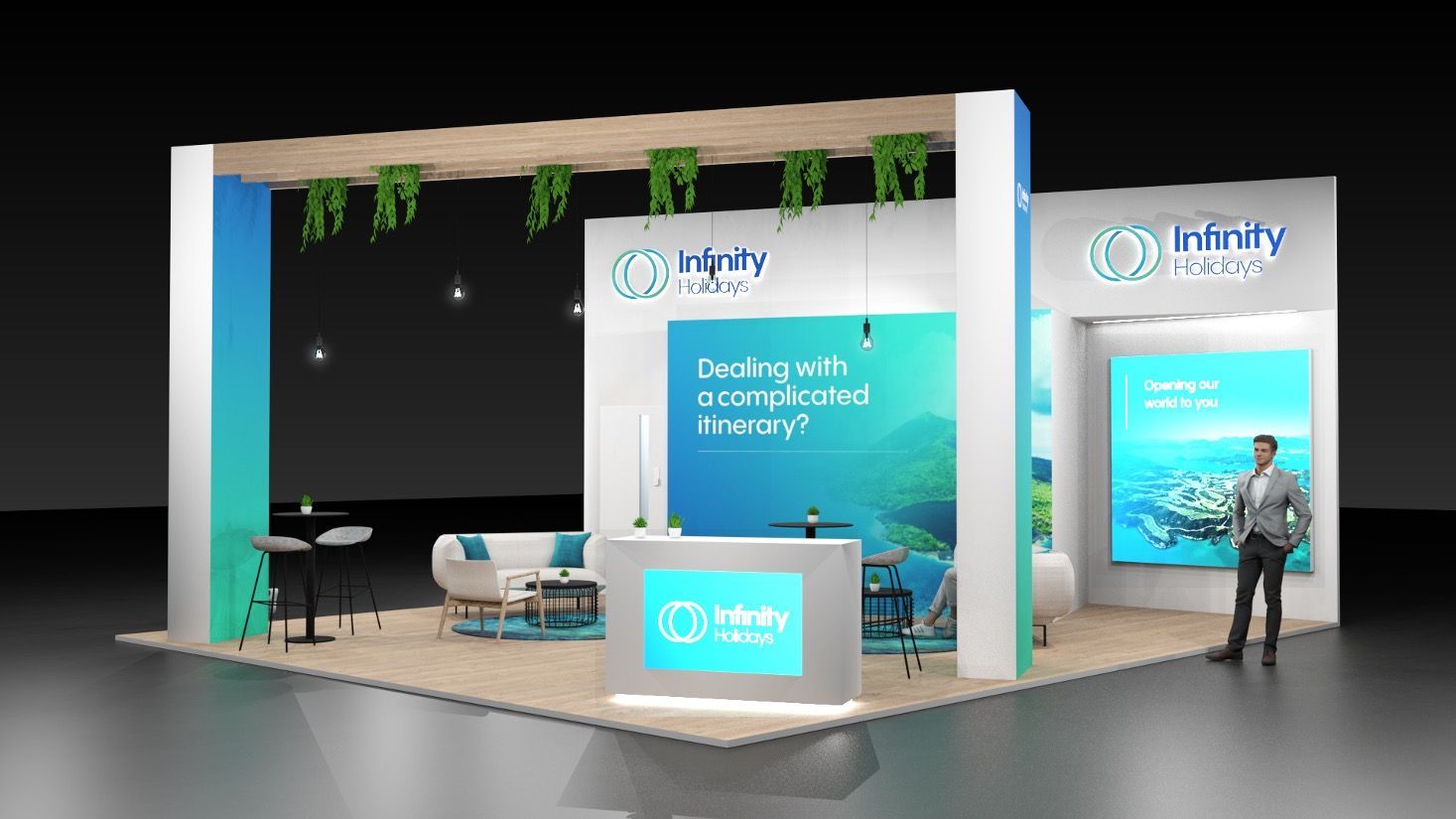
Visitors don't stop for features. They stop when they recognise their own problem. Before deciding what to demo, decide what pain point a visitor should see from the aisle and think "that's us". Put that on the stand in plain words, large enough to read over the crowd. The product explanation can come once they're on the stand.
Pick one hero demo
When everything is demoable, nothing stands out. Choose the one moment in your product that makes people lean in, the screen where the value becomes obvious, and build the main demo around it. Other features can live on secondary stations or in the meeting room.
At the Retail Technology Show at ExCeL London, Logile's stand was built around integrated AV so the team could run live demonstrations of their workforce technology, with branded feature walls giving the stand a strong identity from across the hall.
Size demo stations for small groups
A demo screen at desk height for one person turns a busy stand into a queue. Stations designed for two or three visitors at once, at a comfortable standing height with space around them, let more people engage without crowding and make it easy for a colleague to join a conversation.
Make something physical
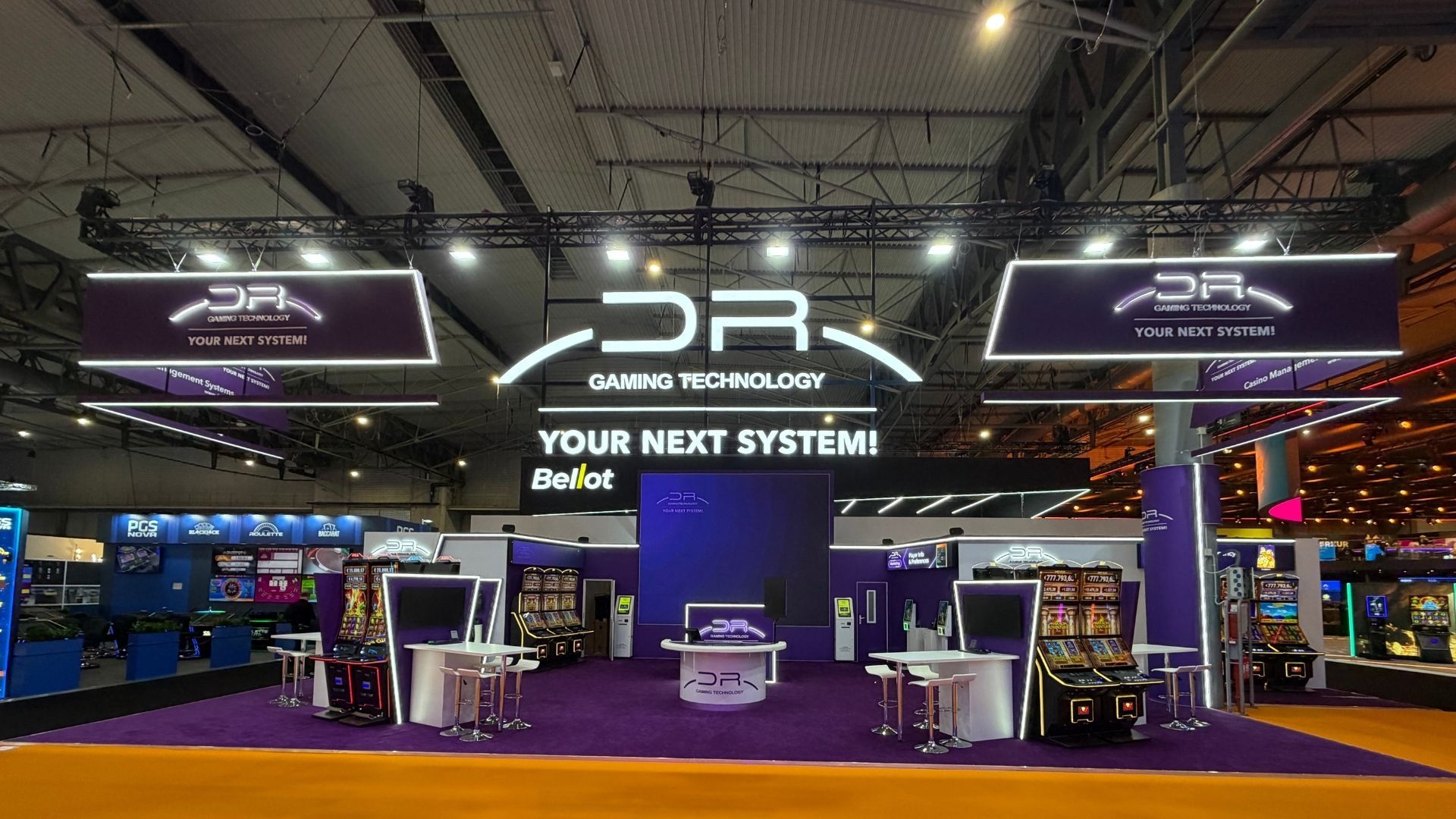
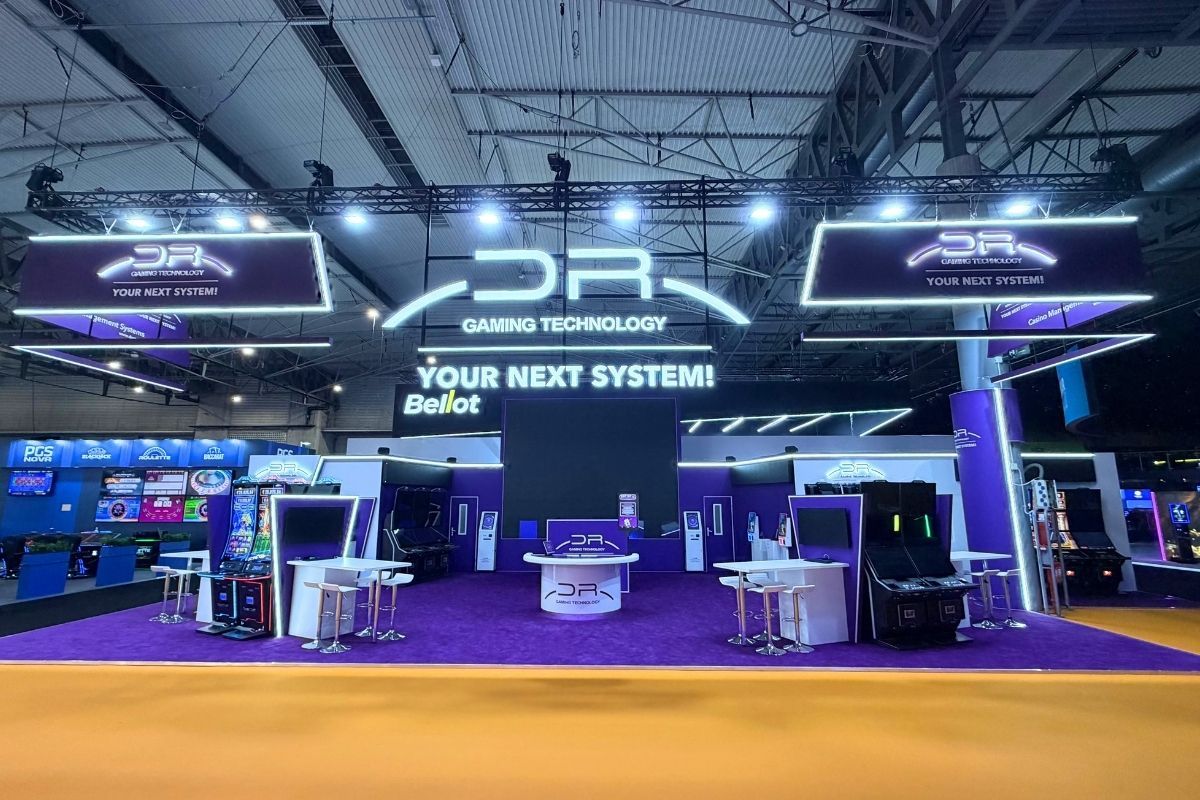
Even invisible products can have a physical presence. That might be the hardware your software runs on, a piece of architecture that represents how your system connects things, or a live element that shows the product working in the real world. For DR Gaming Technology at G2E Las Vegas, a live Blackjack table showed their table games technology in the most direct way possible, and a server room made the systems behind the product visible.
Give the conversation somewhere to go
Complex products are rarely sold on the show floor. They're sold in the follow-up conversation, and that conversation needs somewhere quieter than the aisle. A meeting room, a hospitality area or a semi-private corner turns a good demo into a qualified lead. Infinera's stand at SCTE Cable-Tec Expo combined integrated digital displays with a proper environment for client conversations, and the same design was used again at a second US show.
Use screens for what only screens can do
Screens aren't the problem. Screens doing the wrong job are. A screen earns its place when it shows something live, interactive or changing. A looping brand video, a static slide or a screensaver logo is better replaced with a printed graphic or removed altogether. Fewer, better screens make the stand feel more considered and make the ones that remain more noticeable.
Brief your team as part of the design
On a technology stand, the people are part of the product. Plan where the team stands, who runs the hero demo and how a visitor is handed from a first conversation to a specialist. A layout that supports that flow makes a complex product feel easy to buy into.
The Oaken take
Complex products are shown best when the stand starts with the visitor's problem and builds to one clear demo, with space for the conversation that follows. Get those three right and the screens stop needing to do all the work.
Taking a technology product to a show? Tell us what you need visitors to understand. Make it real.
FAQs
How do you display software at a trade show?
Lead with the problem it solves, build the main demo around the one moment that shows its value, and give visitors a space to continue the conversation. Use screens for live and interactive content only.
How many screens should a tech exhibition stand have?
As few as the demos need. Each screen should show something live or interactive. Looping videos rarely stop visitors and make stands look alike.
What makes a good fintech or SaaS exhibition stand?
A clear message about the problem you solve, readable from the aisle, a strong hero demo, demo stations sized for small groups, and a quieter space for follow-up conversations.
Got a stand that needs to work this hard?
Keep reading