Seven reasons visitors walk past exhibition stands, and the design fixes that pull the right people in.
It happens more than anyone in this industry likes to admit. The renders were beautiful, the build was on time, the photos on LinkedIn looked fantastic. And on the day, people walked straight past.
A stand that looks good and a stand that works are different things. The first is about how it photographs. The second is about how it behaves when a busy visitor with a full schedule glances at it for two seconds from the aisle. Here are the seven reasons we see most often for stands being ignored, and what to do about each one.
1. The front of the stand says "keep out"
A long reception counter across the front, a raised floor edge, a wall of furniture: each one is a small barrier, and visitors read them as a signal that the stand is for people who already have a meeting. Open the front. Pull the welcome point back so people can step onto the stand before anyone approaches them.
2. Nobody can tell what you do from the aisle
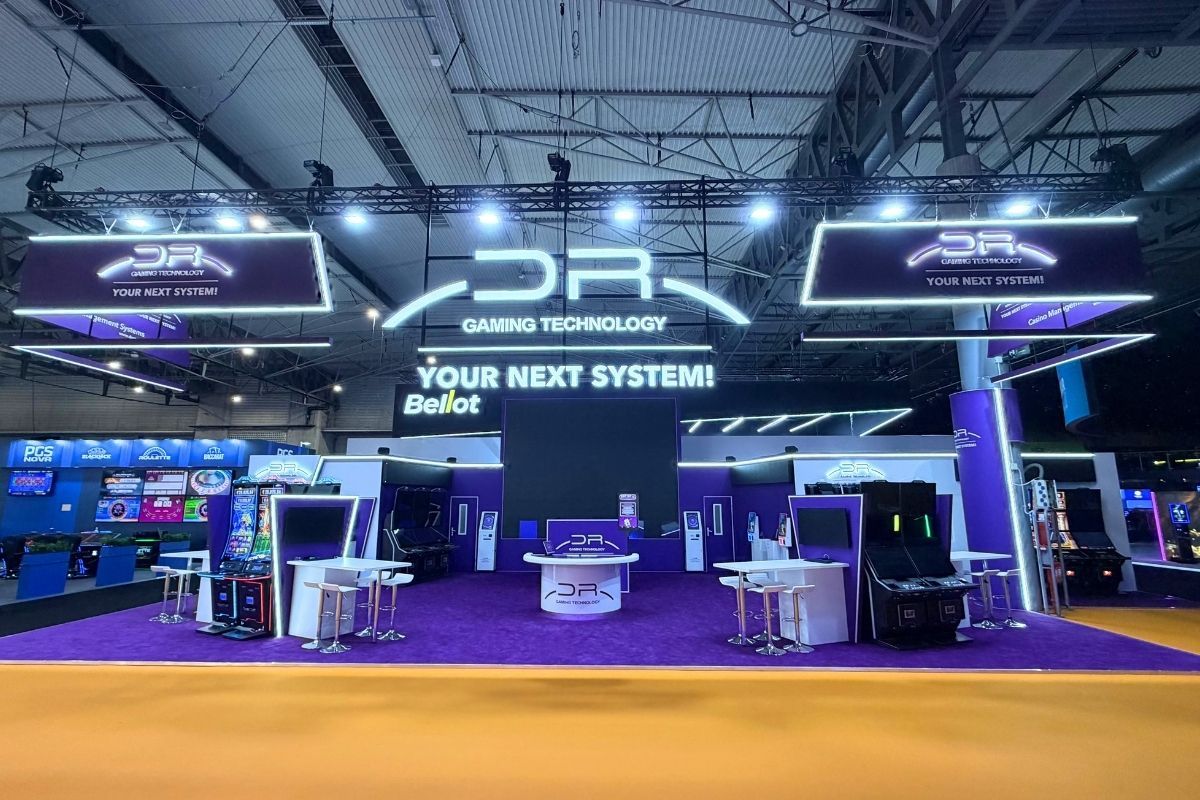
Visitors decide whether to stop before they're close enough to read anything small. If your stand only explains itself once someone is standing on it, most people will never get that far. Put one clear statement, at a height people can see over the crowd, that says what you do and who it's for.
3. There's nothing to do
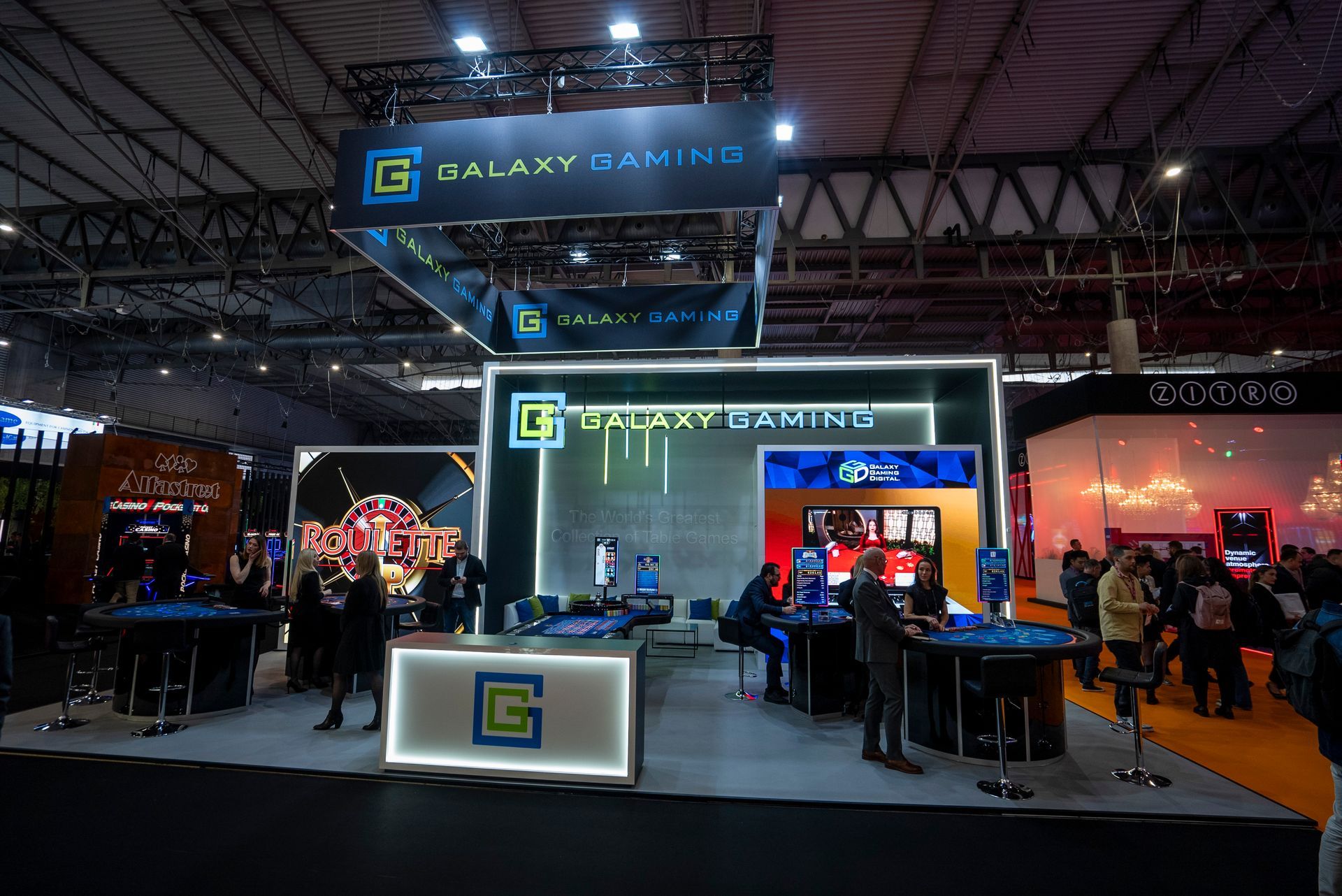
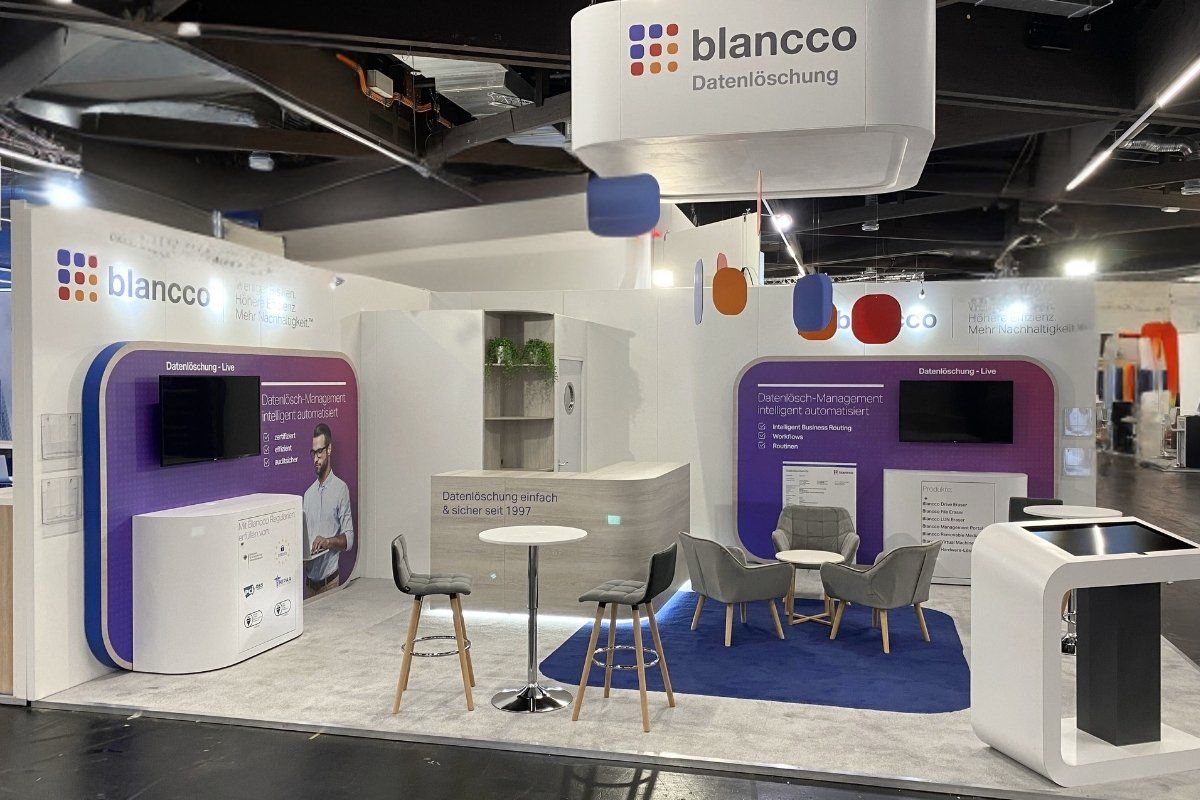
People stop for things they can try, touch or watch happen. A stand that only has information to read gives them no reason to slow down. At it-sa in Nuremberg, we positioned Blancco's demo stations so several visitors could try the technology at once without crowding each other, and paired them with a hospitality bar where those demos could turn into proper conversations.
4. Your screens are playing a loop nobody watches
A brand film on a large screen feels like a safe choice. In practice, a looping video is background noise in a hall full of them. If a screen is on your stand, it should be doing something only a screen can do: a live demo, data that changes, something a visitor controls. Otherwise the space is better used for something people can interact with.
5. The stand is built for one kind of visitor
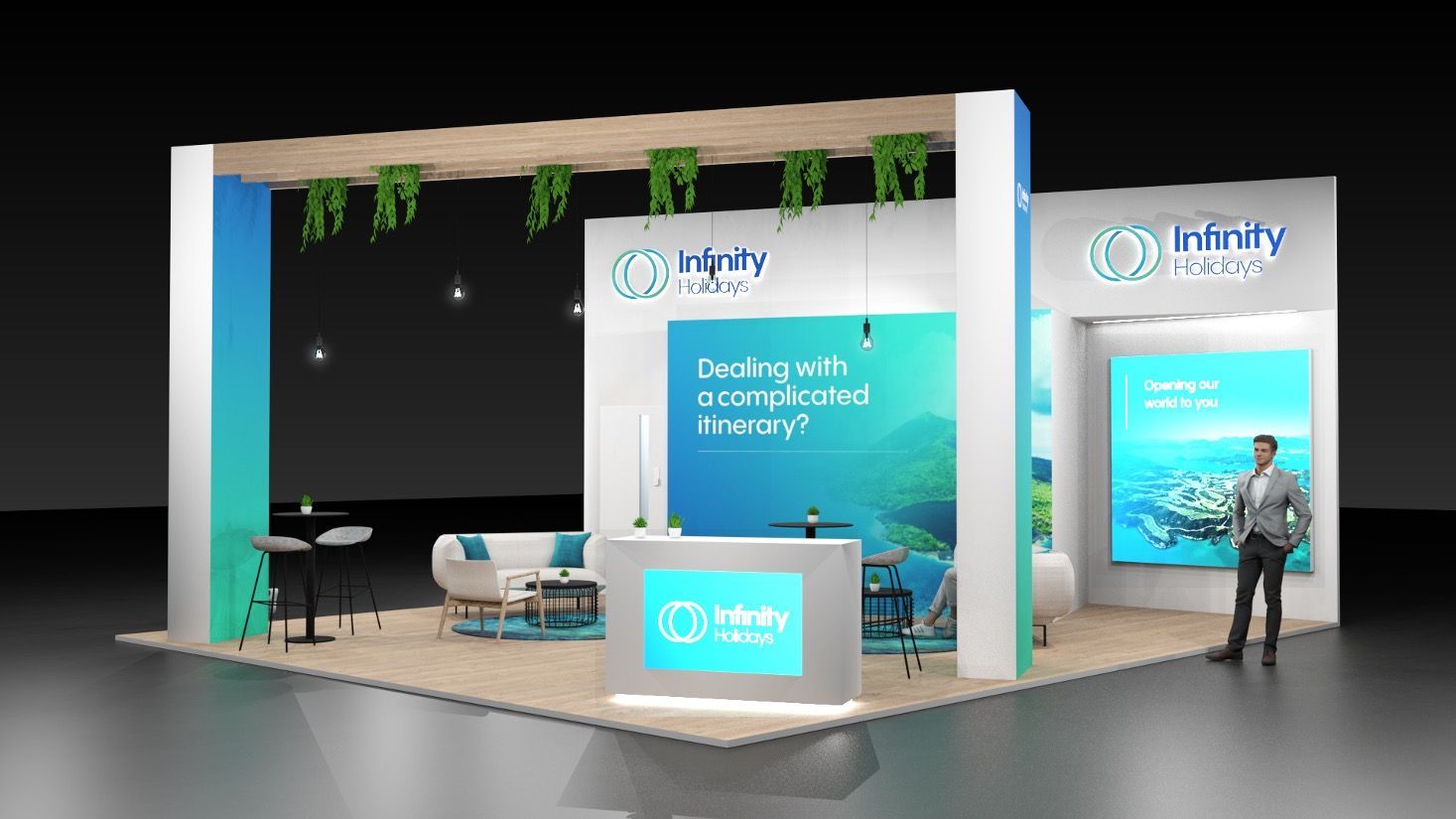
A first-time visitor and an existing client want different things. One needs an easy, low-pressure way in. The other wants somewhere to sit and talk business. When Infinity Holidays relaunched their brand at WTM London, we designed separate zones for both: relaxed areas where new relationships could start, and more structured meeting spaces where existing partnerships could be developed.
6. The light is working against you
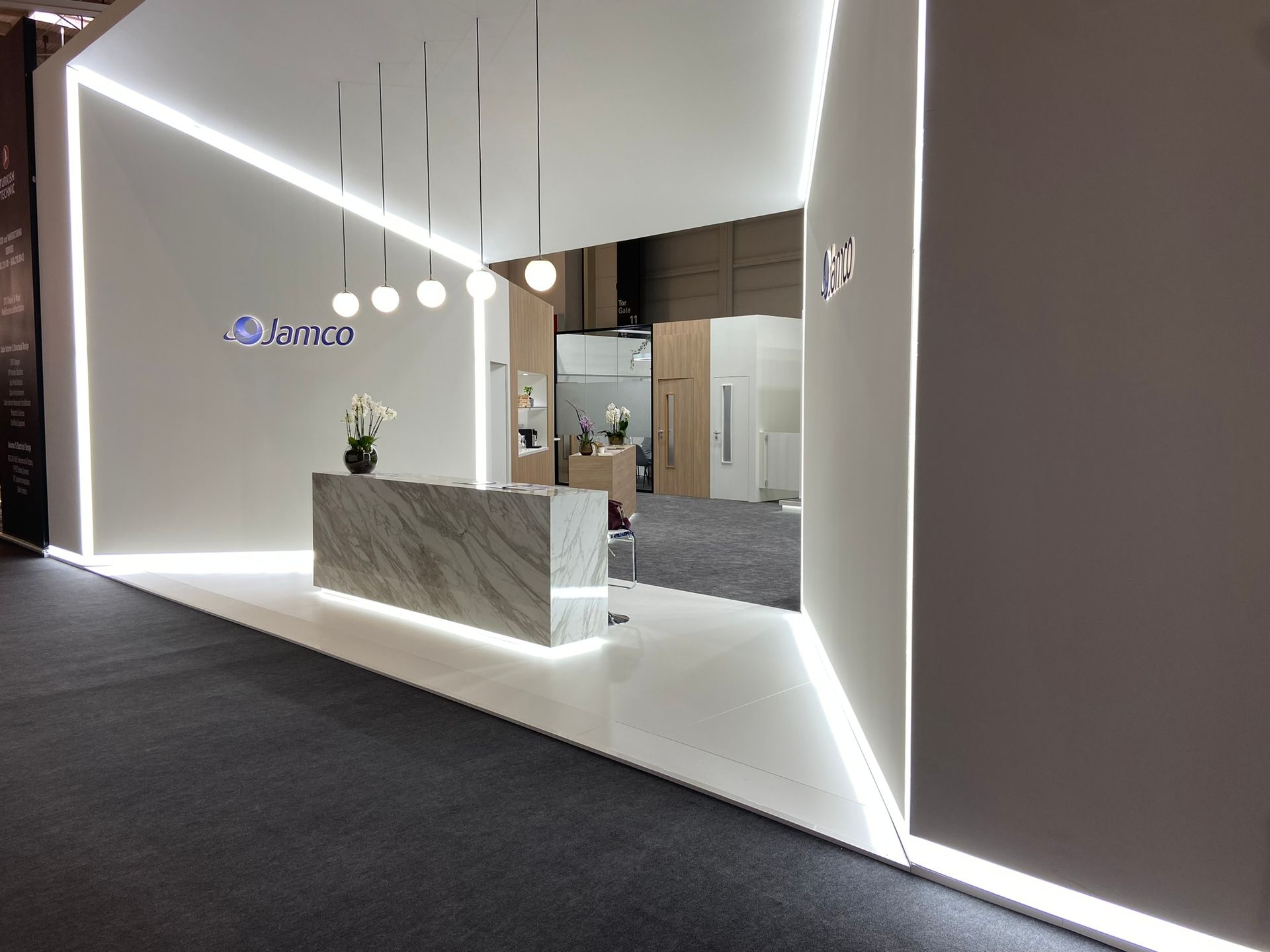
In a bright hall, a stand lit evenly from above looks flat. Light draws the eye, so use it to direct attention to the one thing visitors should see first, and to make the inside of the stand feel inviting rather than exposed. Some of the most effective stands we've built are calmer and warmer than the ones around them, which makes them stand out.
7. The team is standing in the doorway
This one isn't a design flaw, but design can fix it. When staff have nowhere natural to stand, they gather at the front, and a row of people in branded shirts is the strongest "keep out" sign there is. Give the team a clear base inside the stand, close enough to greet people but out of the entrance.
Designing a stand people walk onto
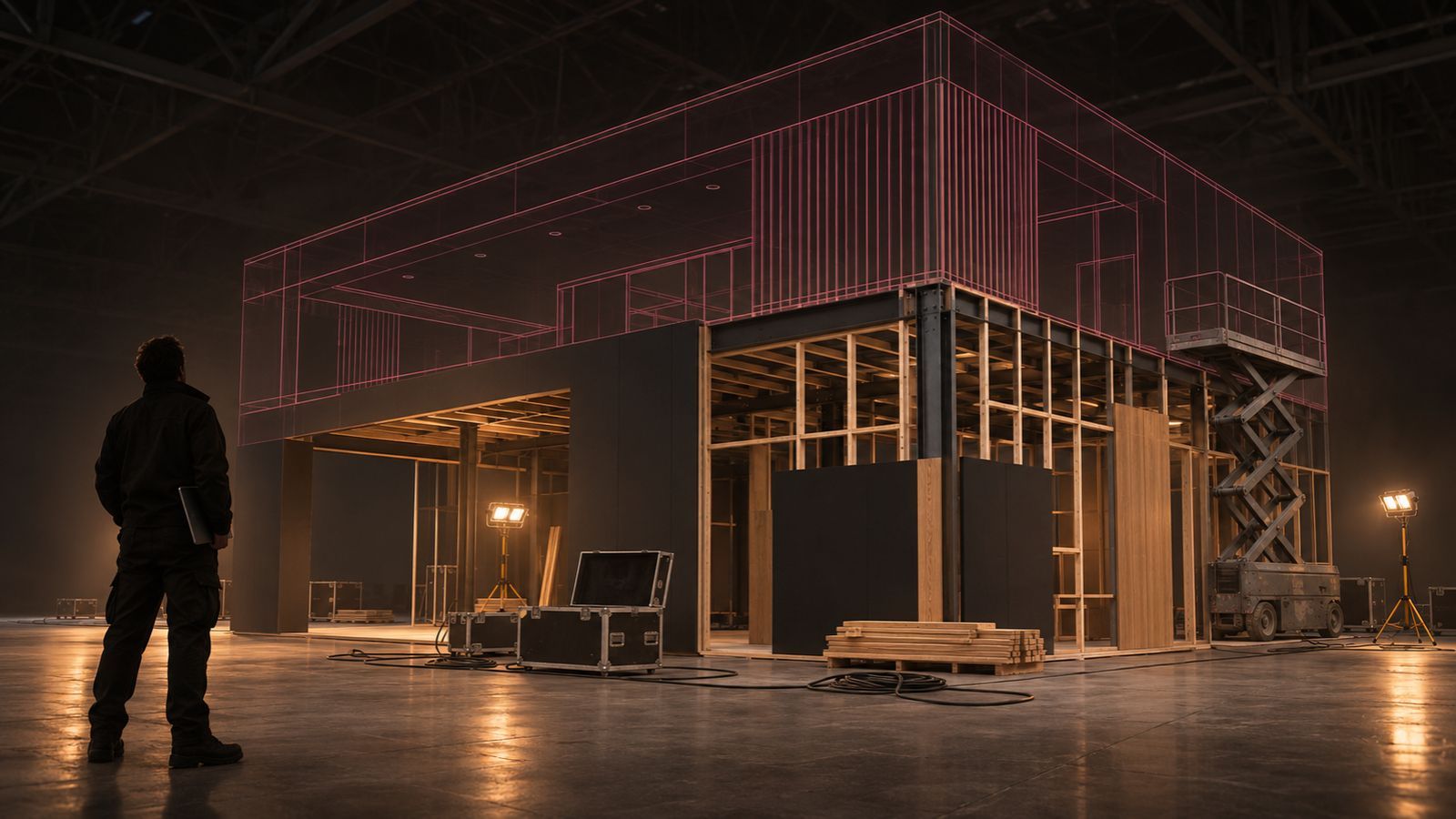
All seven problems come from the same place: designing the stand as an object to be looked at, rather than a space to be visited. The fix is to plan the visit before the look. We design every stand around the moment someone's eye is caught, the reason they walk over, and the thing that makes them stay. The appearance follows from that.
The Oaken take
A stand earns its place on the floor by the conversations that happen on it. Get the visitor journey right first, and the stand will photograph well too.
Planning your next show? Tell us what you want visitors to take away. Make it real.
FAQs
How do I make my exhibition stand more inviting?
Open the front, move the welcome point back so visitors can step on before being approached, and give them something to try or see within the first few steps.
What attracts visitors to an exhibition stand?
A clear message they can read from the aisle, something to do or watch, and a stand that feels easy to walk onto. Light and a single strong focal point help visitors notice it in the first place.
Should every exhibition stand have screens?
Only if the screen does something a printed graphic can't, such as a live demo or interactive content. A looping brand film rarely stops anyone.
Got a stand that needs to work this hard?
Keep reading